Rail type
Discuss side rails, U-bars or faceouts according to the way garments should be viewed.
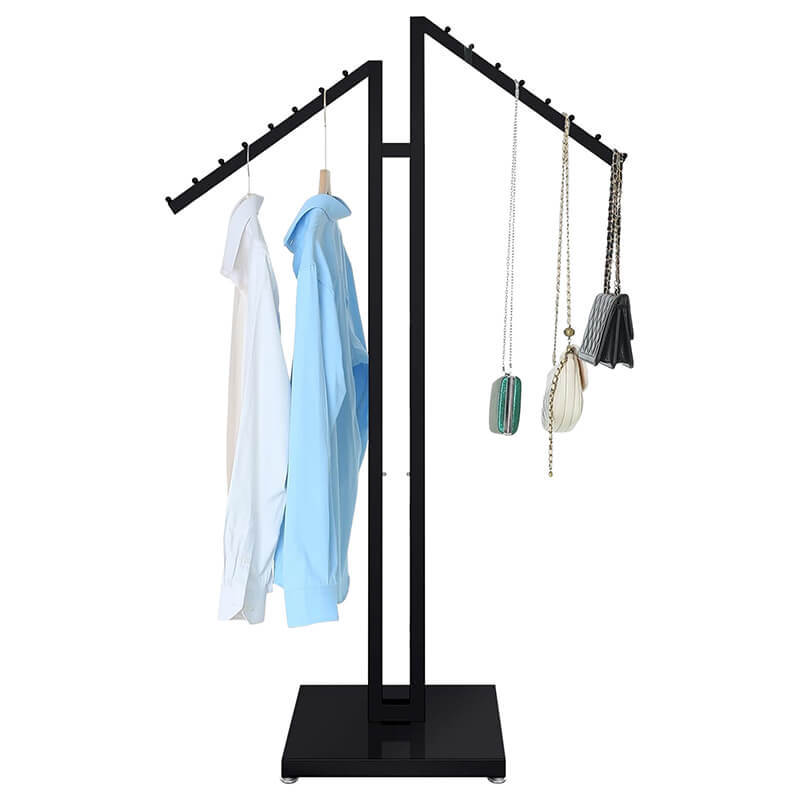
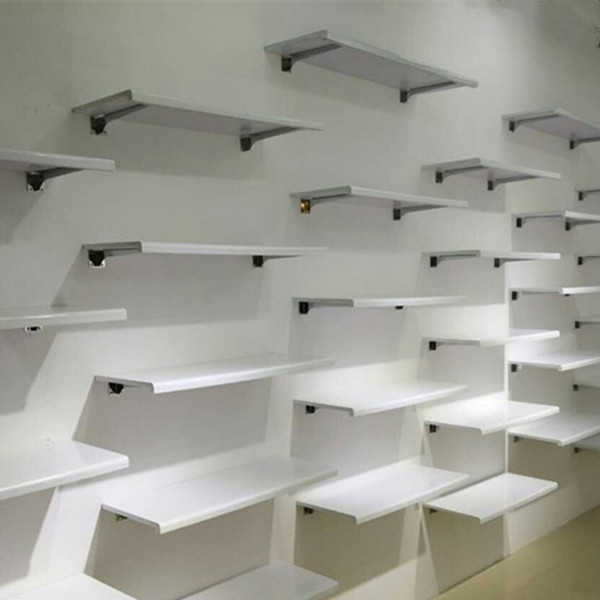
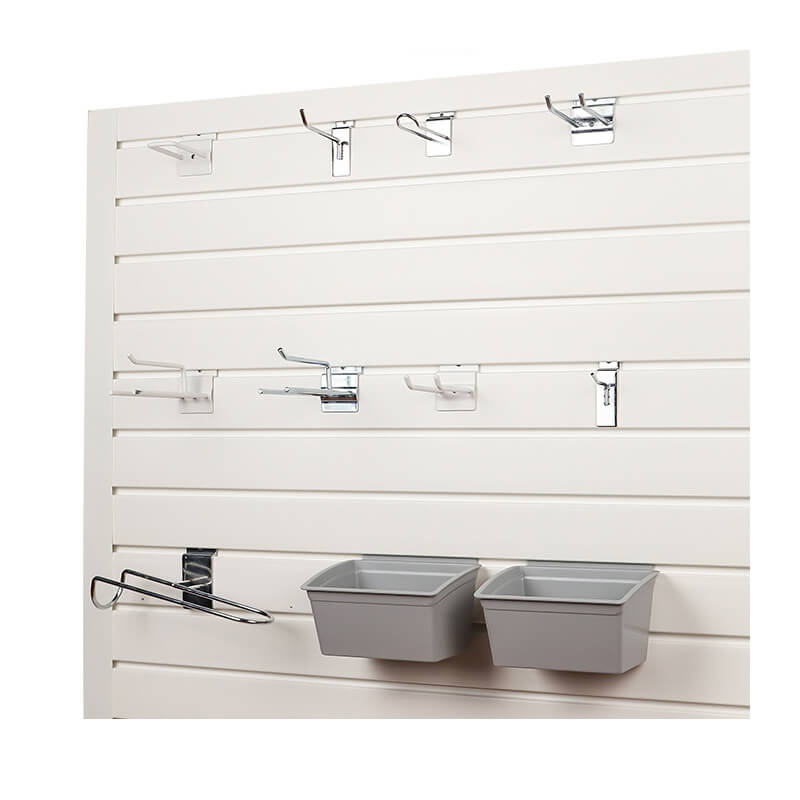
Wall-mounted garment rails use perimeter space for side-hanging or front-facing apparel. The supplied AISHOP and BHPC drawings include wall-related rails and arms coordinated with the wider fixture package.
Plan This Collection →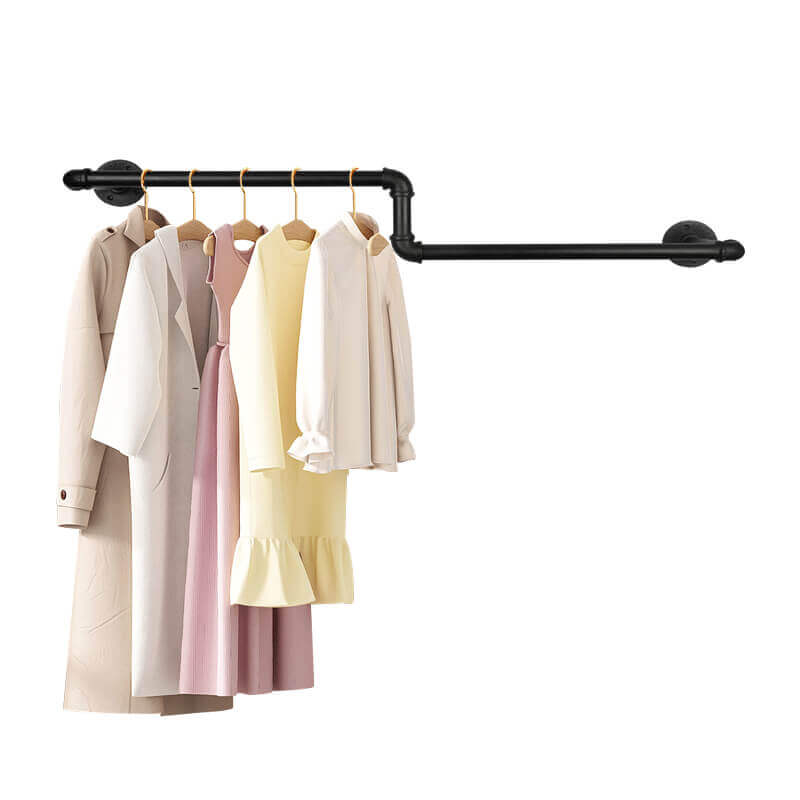
Discuss side rails, U-bars or faceouts according to the way garments should be viewed.
Confirm the wall construction and the fixing detail before fabrication.
Set rail positions around garment length, accessible stock and any shelves above or below.
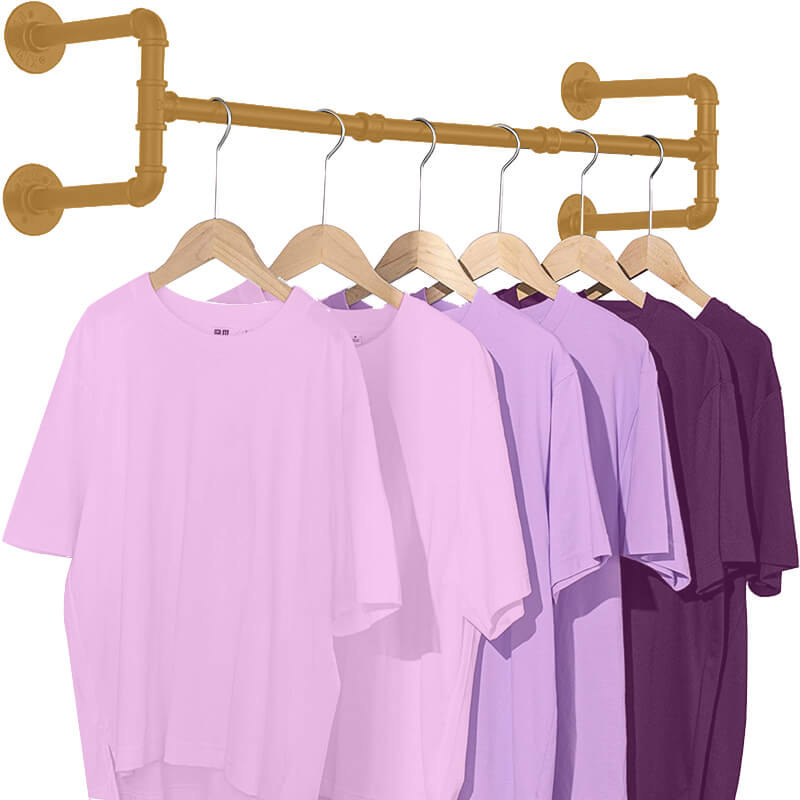
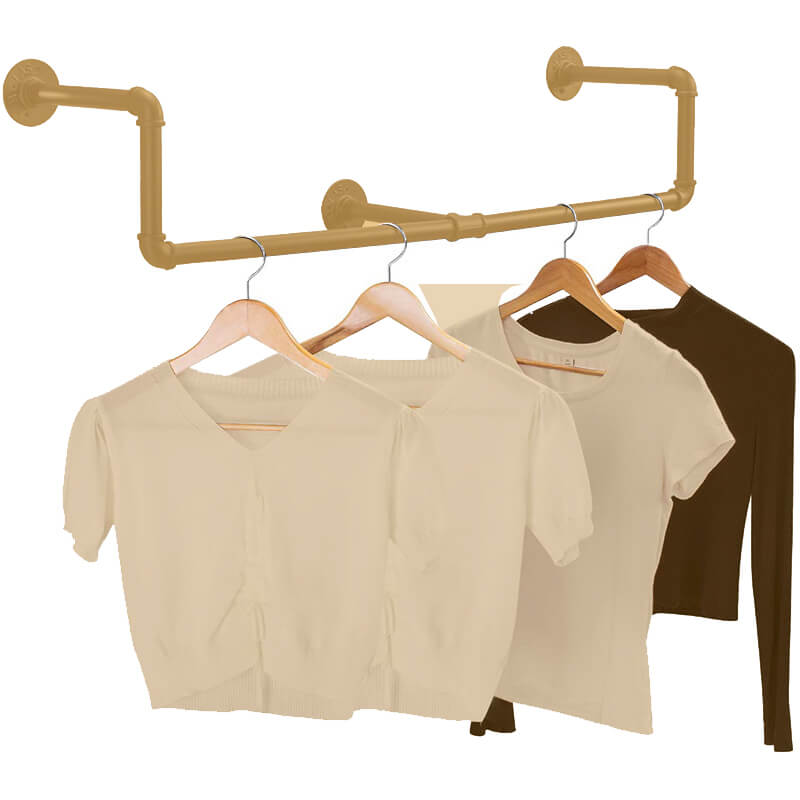
Coordinate your fixtures across the entire retail space.
Review mild-steel or stainless-steel frames, the chosen powder-coated or brushed finish, connection details, feet or castors, and garment loading. Approve the rail spacing and height on the actual garment range.
Final dimensions, finish, load requirements and fixing details are agreed for your project. Historical project specifications are examples, not a universal product standard.
Explore materials & finishes →Explore documented layouts and fixture details. These studies describe project requirements; product inspiration photos above are not presented as photographs of these projects.
Single- and multi-bay metal and wooden wall units, with hanging and shelf configurations.
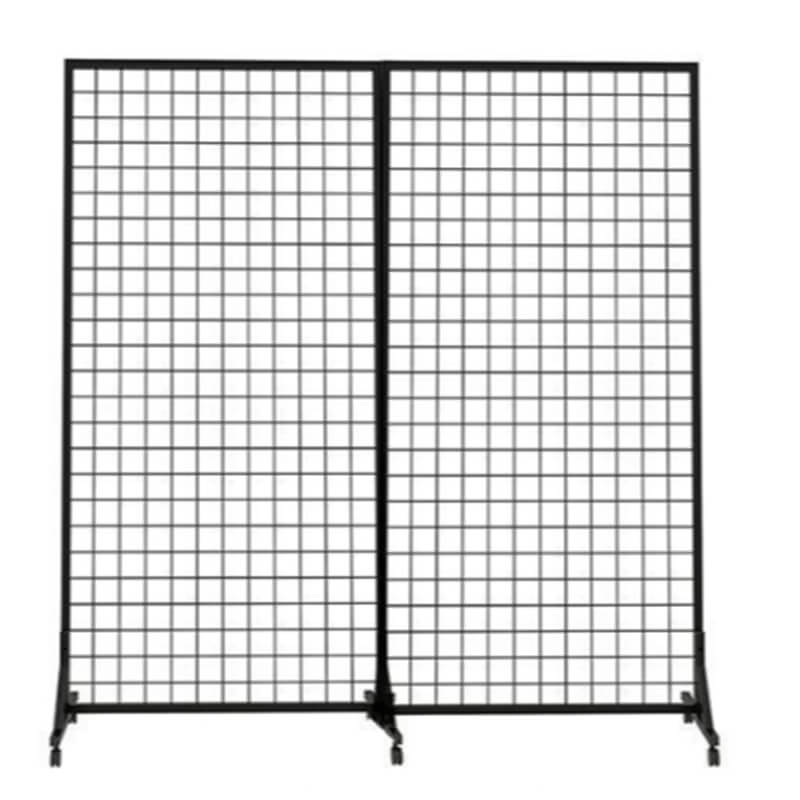
View project study ↗VenezuelaFront-facing and side-hanging rails, wall-mounted perimeter components and mobile garment racks.
View project study ↗MontenegroFreestanding rectangular and circular garment frames.
View project study ↗Rail type: Discuss side rails, U-bars or faceouts according to the way garments should be viewed. Wall connection: Confirm the wall construction and the fixing detail before fabrication. Hanging height: Set rail positions around garment length, accessible stock and any shelves above or below.
Review mild-steel or stainless-steel frames, the chosen powder-coated or brushed finish, connection details, feet or castors, and garment loading. Approve the rail spacing and height on the actual garment range. Provide brand color references and approve physical samples before production.
Provide the drawing or reference, overall dimensions, quantity, intended merchandise and loading, finish requirements, destination and installation conditions. Unspecified details are reviewed before a firm quotation.
Share your floor plan, fixture needs and design direction.