Orientation
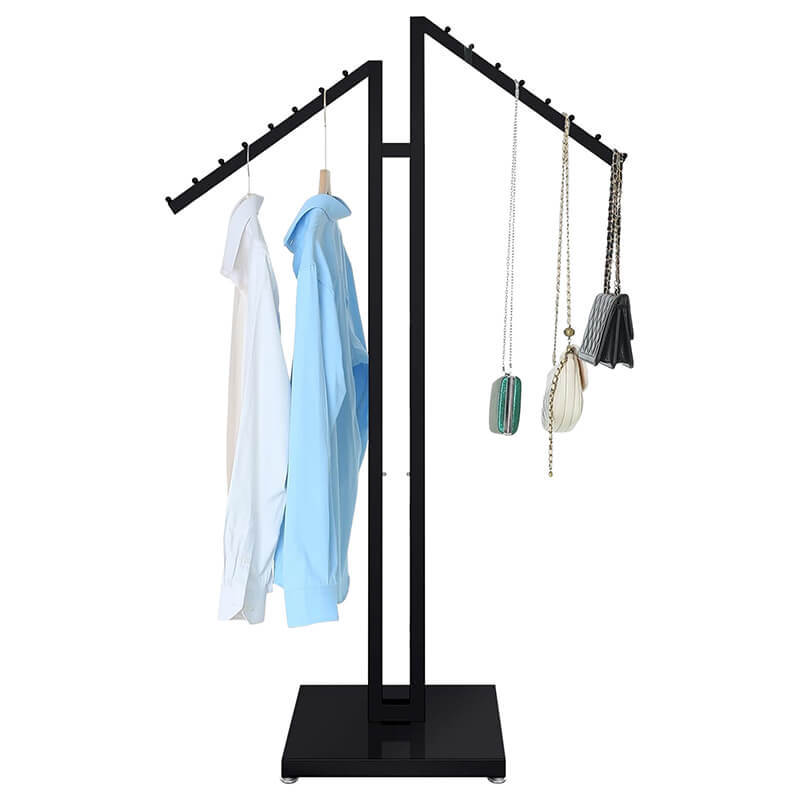
Decide which items need front-facing visibility and which need side-hanging capacity.
Hangrails and faceouts provide side-hanging and front-facing garment presentation. The records include single and double rails, U-bars, cross bars and adjustable hanging components.
Plan This Collection →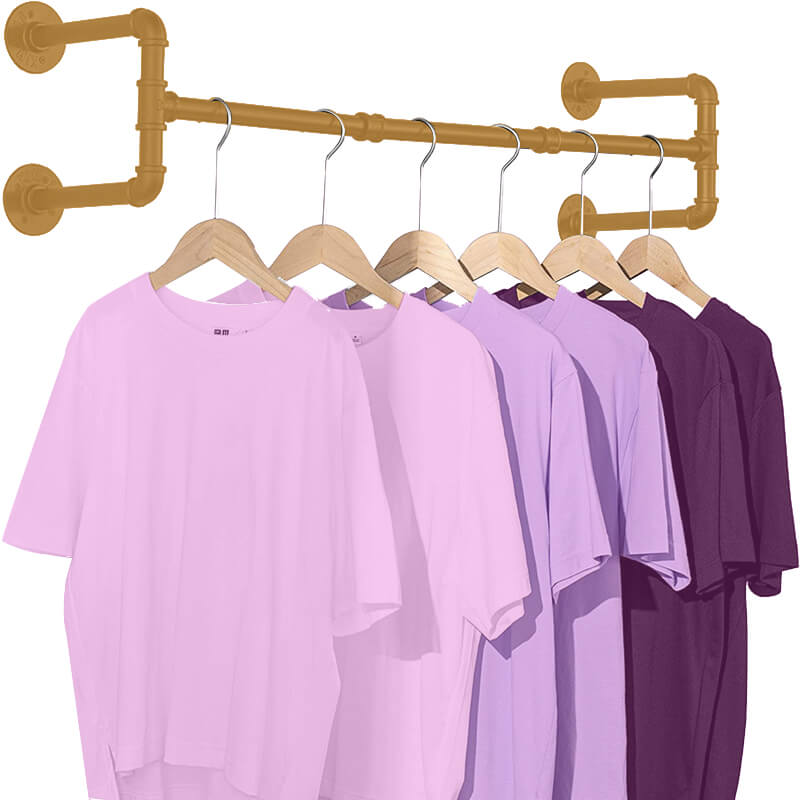
Decide which items need front-facing visibility and which need side-hanging capacity.
Match brackets, rail sections and removable connections to the approved frame.
Agree useful height positions and confirm the garment clearance below each rail.
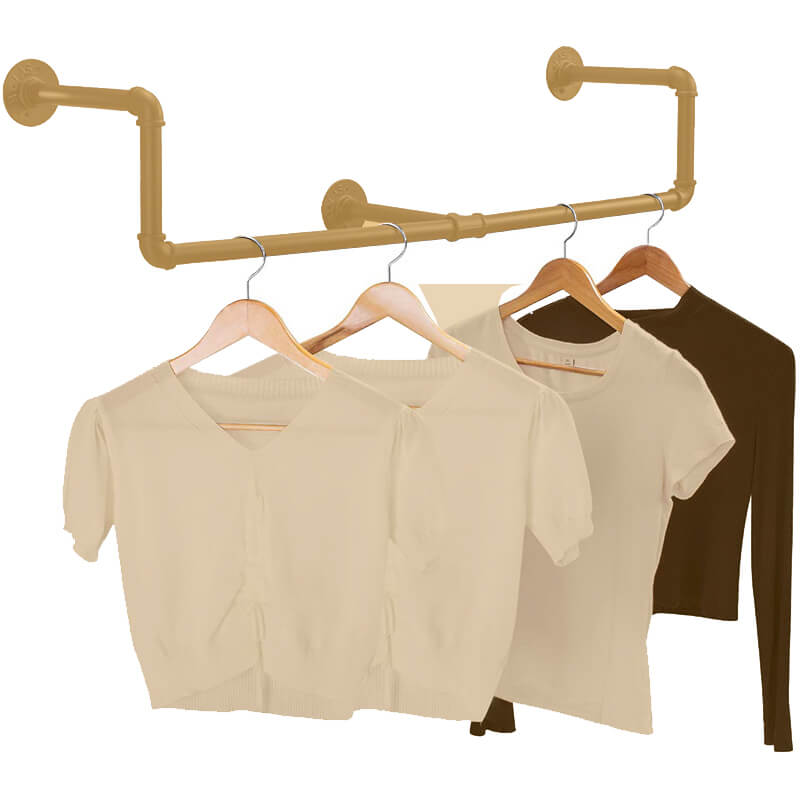
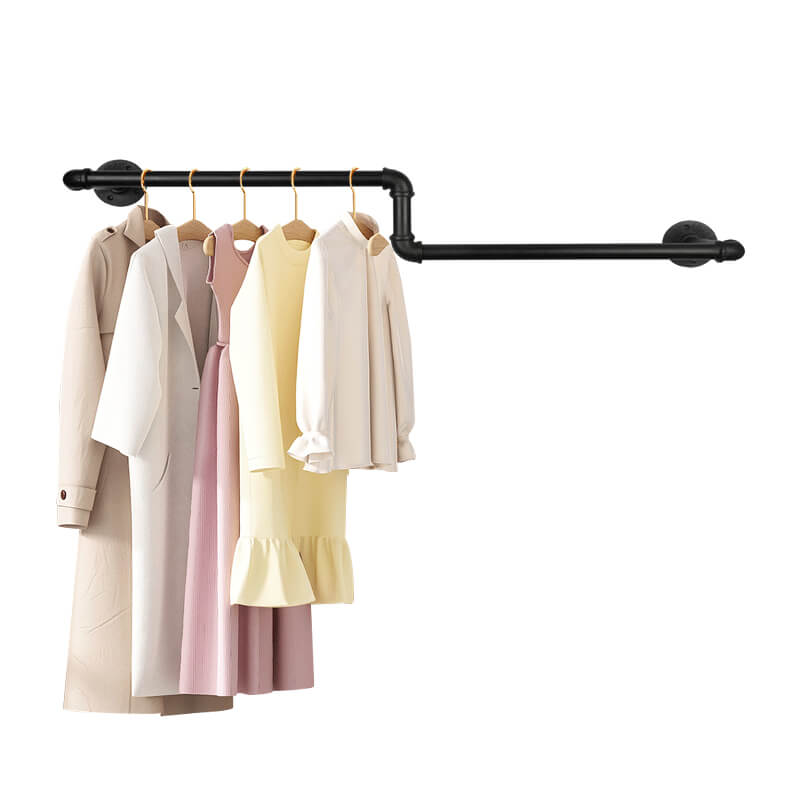
Coordinate your fixtures across the entire retail space.
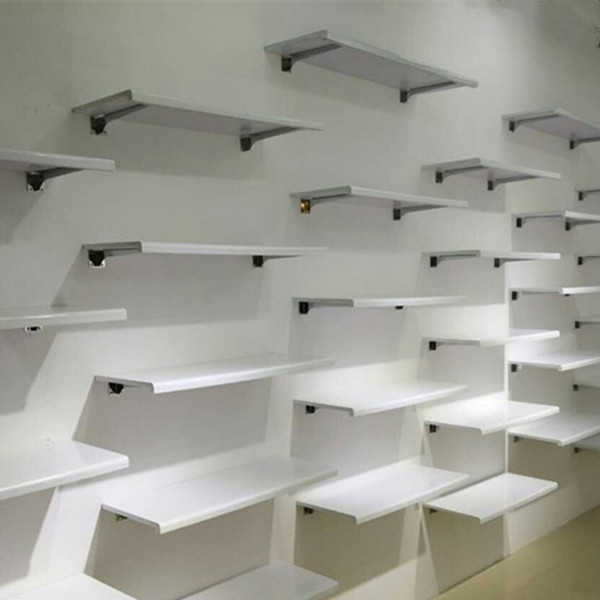
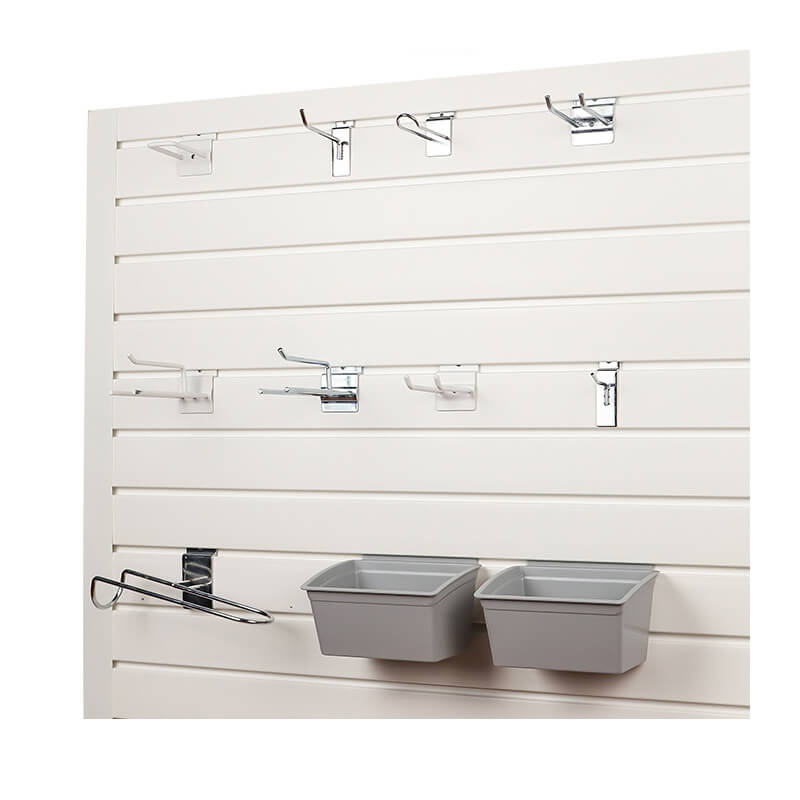
Confirm the mating system, profile dimensions, bracket interface, finish and intended loading. Shelf, rail and hook parts must be assessed as a compatible assembly; similar appearance does not establish interchangeability.
Final dimensions, finish, load requirements and fixing details are agreed for your project. Historical project specifications are examples, not a universal product standard.
Explore materials & finishes →Explore documented layouts and fixture details. These studies describe project requirements; product inspiration photos above are not presented as photographs of these projects.
Single- and multi-bay metal and wooden wall units, with hanging and shelf configurations.
View project study ↗Saudi ArabiaPerimeter rails, faceouts, hooks and hat shelves are coordinated with ball and accessory displays.
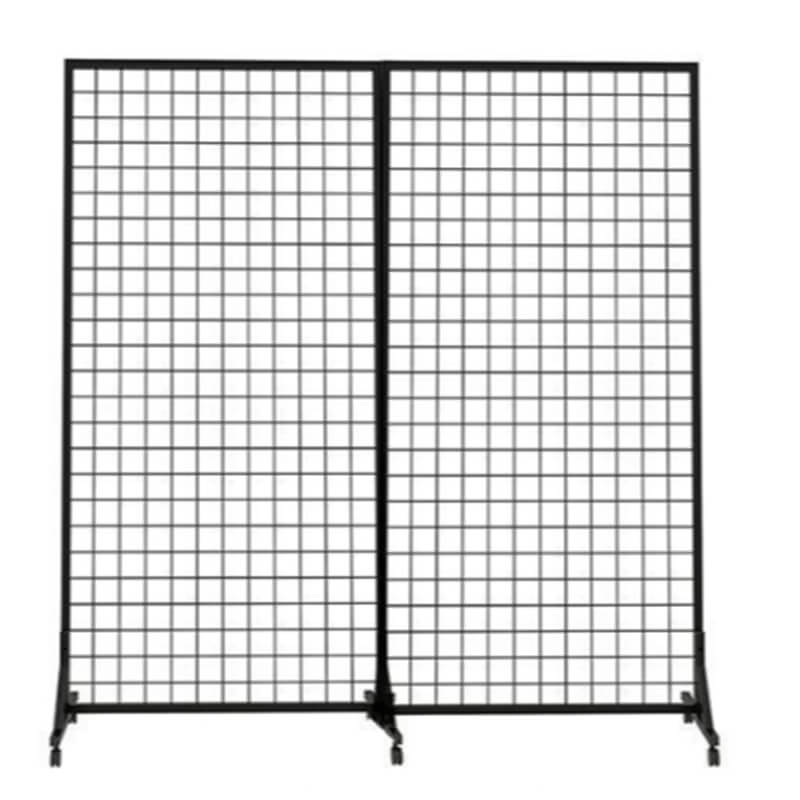
View project study ↗MontenegroFreestanding rectangular and circular garment frames.
View project study ↗Orientation: Decide which items need front-facing visibility and which need side-hanging capacity. Mounting detail: Match brackets, rail sections and removable connections to the approved frame. Adjustment: Agree useful height positions and confirm the garment clearance below each rail.
Confirm the mating system, profile dimensions, bracket interface, finish and intended loading. Shelf, rail and hook parts must be assessed as a compatible assembly; similar appearance does not establish interchangeability. Provide brand color references and approve physical samples before production.
Provide the drawing or reference, overall dimensions, quantity, intended merchandise and loading, finish requirements, destination and installation conditions. Unspecified details are reviewed before a firm quotation.
Share your floor plan, fixture needs and design direction.